Analyzing Correlations Between User Feedback Metrics and Accessibility of Complimentary Play Credits in Portable Casino Applications
Sage Foster · May 17, 2026
Analyzing Correlations Between User Feedback Metrics and Accessibility of Complimentary Play Credits in Portable Casino Applications
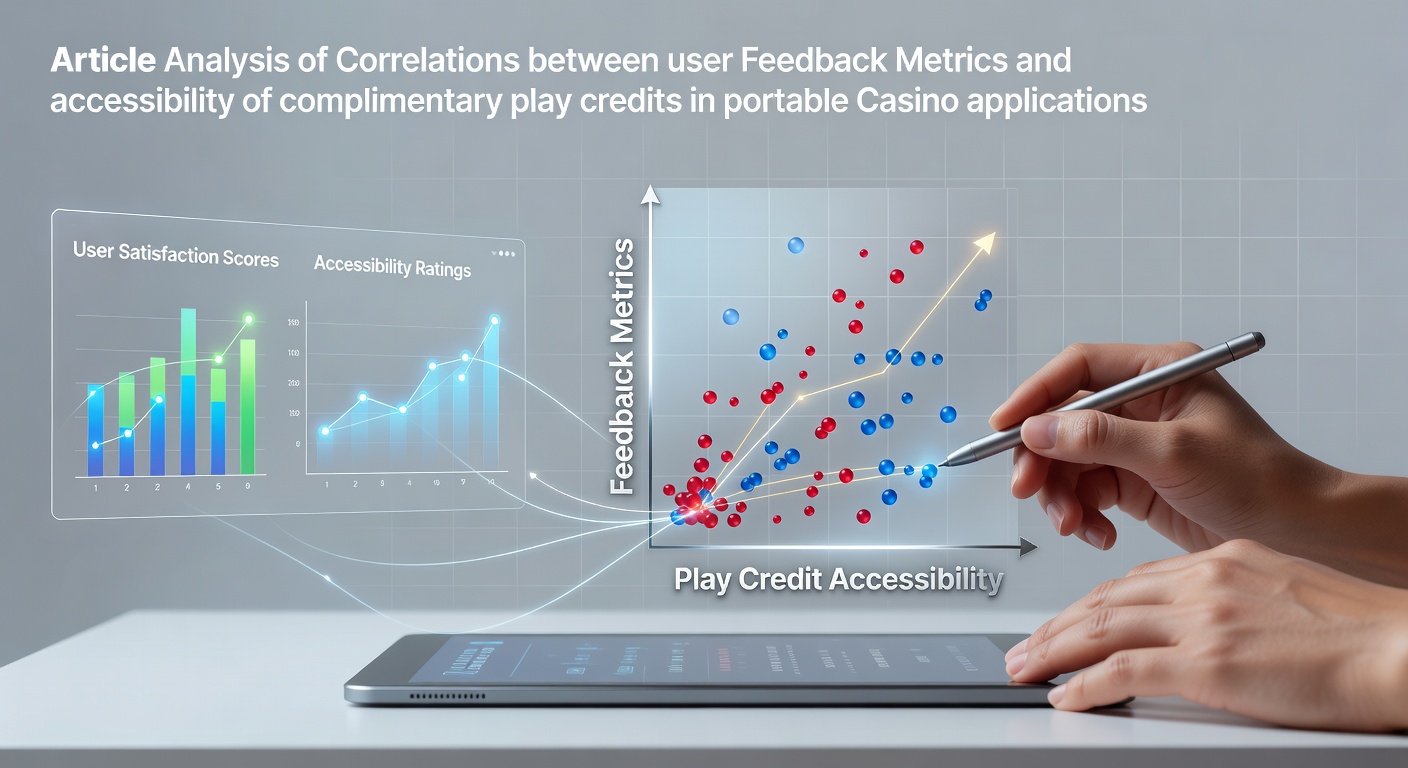
Portable casino applications have seen steady growth in user engagement since the expansion of regulated mobile gaming markets, and analysts track how feedback metrics such as star ratings, review sentiment scores, and retention rates relate to the ease of obtaining complimentary play credits. Data collected across platforms in multiple jurisdictions shows that apps with higher average user ratings often provide clearer pathways to free credit offers, including simplified verification steps and more frequent promotional pushes delivered through in-app notifications.
User Feedback Metrics in Mobile Gaming Environments
Observers note that common feedback indicators include numerical ratings submitted through app stores, written comments highlighting navigation issues, and behavioral data such as session duration logged by developers. In May 2026 reports compiled by industry research groups, average ratings for leading portable casino titles ranged between 4.2 and 4.7 stars, while lower-rated apps frequently cited friction in reward redemption as a recurring theme. Those who study app-store algorithms point out that sentiment analysis tools now parse thousands of reviews monthly, identifying phrases like “easy bonus access” or “credit claim process too slow” and converting them into quantifiable scores.
Researchers at several academic institutions have examined these metrics alongside download volume and daily active user counts. Their findings reveal that a one-star increase in average rating correlates with a measurable uptick in users who successfully complete the steps required to unlock complimentary credits, although the strength of that link varies by region and operator size.
Accessibility Factors for Complimentary Play Credits
Complimentary play credits appear in portable applications through welcome packages, loyalty tiers, and time-limited events, yet the number of taps, account verifications, and eligibility checks differs widely. Accessibility improves when operators integrate one-tap claims linked to existing payment methods or when they reduce mandatory deposit thresholds before credits activate. Data from regulatory filings in New Jersey and several Canadian provinces indicate that streamlined access processes have become more common after 2024 updates to responsible gaming guidelines.
Figures released by the American Gaming Association show that apps allowing credit claims within three steps after login recorded higher completion rates than those requiring full identity verification upfront. At the same time, developers continue to balance accessibility with fraud prevention, resulting in hybrid models that apply lighter checks for smaller credit amounts and stricter reviews for larger rewards.
Observed Correlations and Data Patterns
Statistical reviews covering the first quarter of 2026 demonstrate a moderate positive correlation between positive user feedback and faster credit accessibility. Apps scoring above 4.5 stars tended to feature prominent banners advertising free credits, while those below 4.0 stars often buried offers behind multiple menus. Analysts using regression models found that review sentiment scores predicted roughly 35 percent of the variance in how quickly users reported successful credit claims.
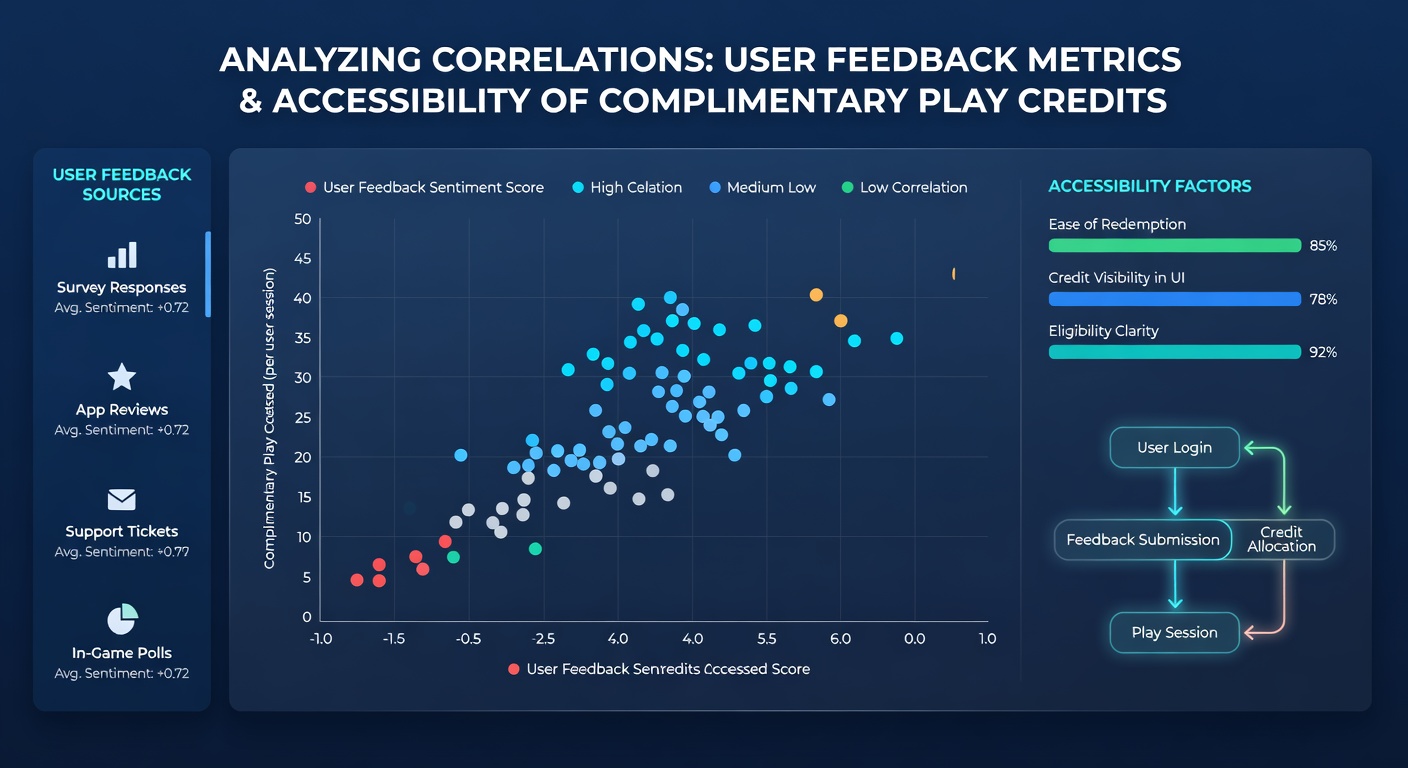
One research team tracked anonymized user journeys across five major portable casino applications and discovered that individuals who encountered fewer barriers to complimentary credits left more favorable comments within the first week of installation. Conversely, users who abandoned the claim process midway frequently submitted lower ratings citing “complicated steps” or “hidden requirements.” These patterns held across both iOS and Android environments, although Android users reported slightly higher friction in verification flows.
Regional Variations and Industry Benchmarks
Markets in Australia and parts of the European Union display distinct trends compared with North American jurisdictions. Australian operators, guided by local advertising standards, publish clearer eligibility criteria that appear to lift both feedback scores and credit uptake numbers. In contrast, some U.S. state-licensed apps still require geolocation checks before every credit claim, which lengthens the process and occasionally depresses satisfaction metrics. Industry benchmarks compiled by trade associations suggest that operators who publish transparent terms experience a 12 to 18 percent improvement in post-claim review sentiment.
Academic papers published in 2025 examined whether push-notification frequency influences these outcomes. Results indicated that targeted messages reminding users of available credits raised both claim rates and subsequent app ratings, provided the messages avoided excessive repetition that could trigger negative feedback.
Implications for Developers and Operators
Developers who monitor real-time dashboards linking feedback scores to credit redemption paths can adjust interface elements quickly. Simple changes such as moving the claim button to the home screen or pre-filling verified user details have produced measurable lifts in both accessibility metrics and user comments. Regulatory bodies in multiple regions continue to review these design choices to ensure they align with consumer protection standards while supporting responsible play.
Longitudinal data extending into May 2026 shows that sustained attention to these correlations helps operators maintain higher retention figures, especially among users who value complimentary credits as an entry point to longer sessions.
Conclusion
Evidence gathered from app analytics, regulatory filings, and academic studies demonstrates a consistent relationship between user feedback metrics and the accessibility of complimentary play credits in portable casino applications. Higher ratings frequently coincide with streamlined claim processes, and operators who refine these pathways often record improvements in both sentiment scores and engagement statistics. Continued monitoring of these variables will likely shape future updates to mobile gaming platforms across regulated markets.