Currency Crossroads: How Emerging Financial Tools Reshape Access to Free Play Credits in Mobile Table Games
Uma Braun · Jul 1, 2026
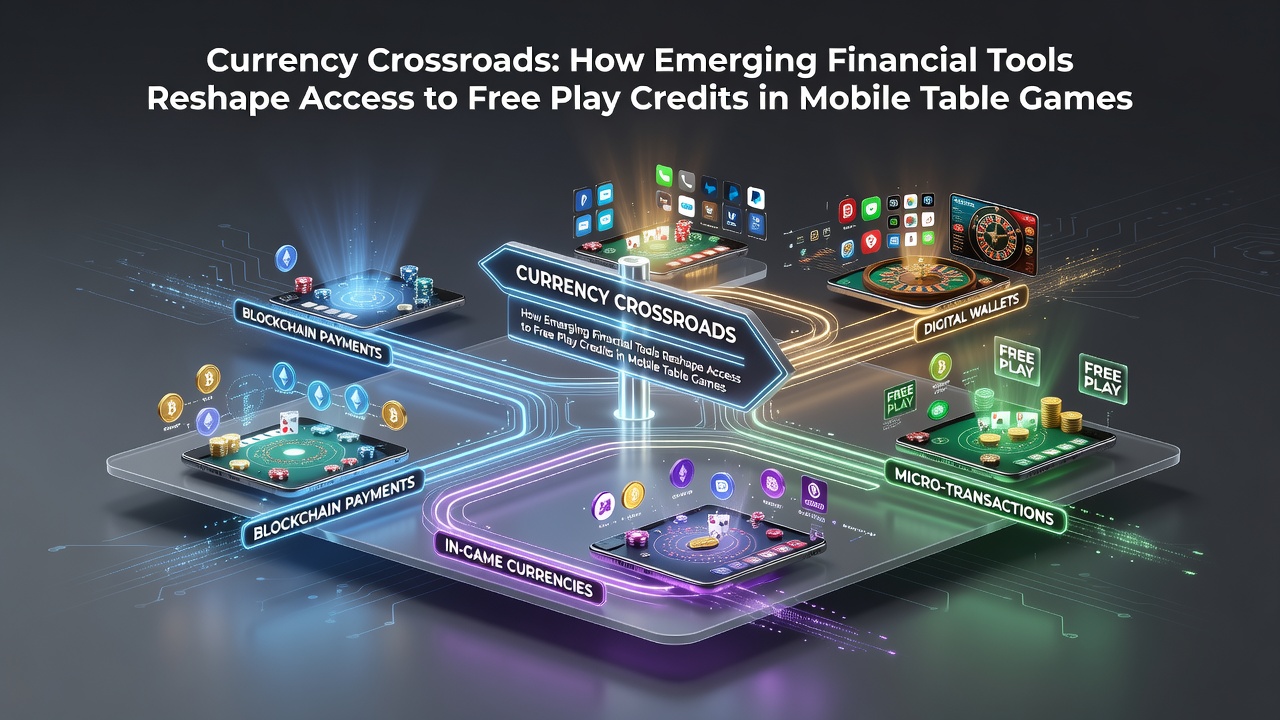
Currency Crossroads: How Emerging Financial Tools Reshape Access to Free Play Credits in Mobile Table Games
Financial innovations continue to alter the pathways players use to obtain free play credits within mobile table games such as blackjack and roulette; digital wallets, blockchain settlements, and instant bank transfers now connect directly to gaming platforms, which changes eligibility checks and credit distribution timelines. Observers note that these tools reduce traditional delays associated with card processing while introducing new verification layers tied to transaction histories.
Digital Wallets and Instant Credit Allocation
Platforms integrate e-wallet services that link user accounts to real-time balance updates, allowing free play credits to appear immediately after qualifying deposits or promotional triggers; data from regional gaming authorities shows adoption rates rising sharply through mid-2026 as operators update their systems to handle these connections. Players often complete fewer steps to unlock credits because wallet APIs pull verified transaction records instead of requiring separate manual submissions.
Studies from research institutions in North America and Asia indicate that wallet-linked accounts receive credits 40 percent faster on average than those using legacy card methods, which stems from automated compliance checks built into the payment rails themselves. Operators report that this speed influences how frequently users engage with table game sections, since credits become available during active sessions rather than after separate confirmation periods.
Blockchain Tools Expand Eligibility Options
Blockchain-based payment rails allow operators to verify deposits through distributed ledgers, which opens credit access to users who prefer decentralized currencies while maintaining required regulatory reporting; figures from the Australian Communications and Media Authority highlight increased participation in mobile table games among wallet users who previously faced barriers with conventional banking integrations. These systems record transactions in immutable formats that simplify audit trails for both operators and oversight bodies.
One documented shift appears in how loyalty programs calculate qualifying activity when blockchain deposits contribute to free credit pools, since timestamps and amounts register without intermediary bank delays. Research from European trade groups shows that such integrations correlate with higher retention metrics in markets where regulators permit the technology, although approval processes vary by jurisdiction.
July 2026 Market Adjustments and Platform Updates
During July 2026 several mobile platforms rolled out enhanced API connections that tie emerging payment tools to promotional engines responsible for distributing table game credits; these updates followed new reporting standards issued by multiple gaming commissions across different regions. Operators adjusted their systems to accommodate faster reconciliation cycles, which in turn affected how quickly free credits reflected in player accounts during peak usage hours.
Analysts tracking transaction volumes noted that instant settlement options now account for a growing share of deposits that trigger credit bonuses in handheld table environments. According to reports compiled by the Nevada Gaming Control Board, platforms using these tools processed higher volumes of small-value transactions without increasing chargeback rates, which supports broader rollout of credit-based promotions tied directly to wallet activity.
Security Protocols and Credit Verification
Emerging tools incorporate multi-factor authentication and biometric checks that run alongside payment processing, which affects how platforms confirm eligibility for free play credits; these layers add steps for some users yet reduce fraud incidents that previously blocked credit releases. Industry organizations in Canada and Singapore have documented declines in disputed transactions when operators combine wallet verification with existing KYC frameworks.
Those who manage mobile table game portfolios observe that credit allocation algorithms now weigh transaction velocity and payment method stability when determining bonus sizes, shifting away from uniform flat-rate offers. This results in personalized credit amounts that reflect individual account histories rather than blanket promotions applied across all users.
Regional Variations in Tool Adoption
Adoption patterns differ by market because regulatory frameworks determine which financial tools qualify for integration with credit systems; North American operators emphasize wallet partnerships that align with existing banking oversight, whereas Asian platforms more frequently test blockchain options under controlled pilots. Data compiled through mid-2026 shows that markets with clearer guidelines experience quicker deployment of features that link payments to free credit access.
University-led research projects examining user behavior across portable devices found that transaction method preferences influence which table games receive the most play once credits activate, with faster-funded accounts tending toward higher-stakes variants. These patterns emerge consistently in datasets gathered from operators serving multiple continents.
Conclusion
Financial tools continue to modify the mechanics of free play credit distribution in mobile table games through direct integrations that prioritize speed and verification accuracy; ongoing platform adjustments in July 2026 reflect broader industry responses to these capabilities. Regulatory bodies and research entities track these developments to maintain compliance standards while operators refine their systems accordingly.