Decoding How Funding Choices Shape Loyalty Tiers in Handheld Interactive Dealer Sessions
Xander Flores · May 20, 2026
Decoding How Funding Choices Shape Loyalty Tiers in Handheld Interactive Dealer Sessions
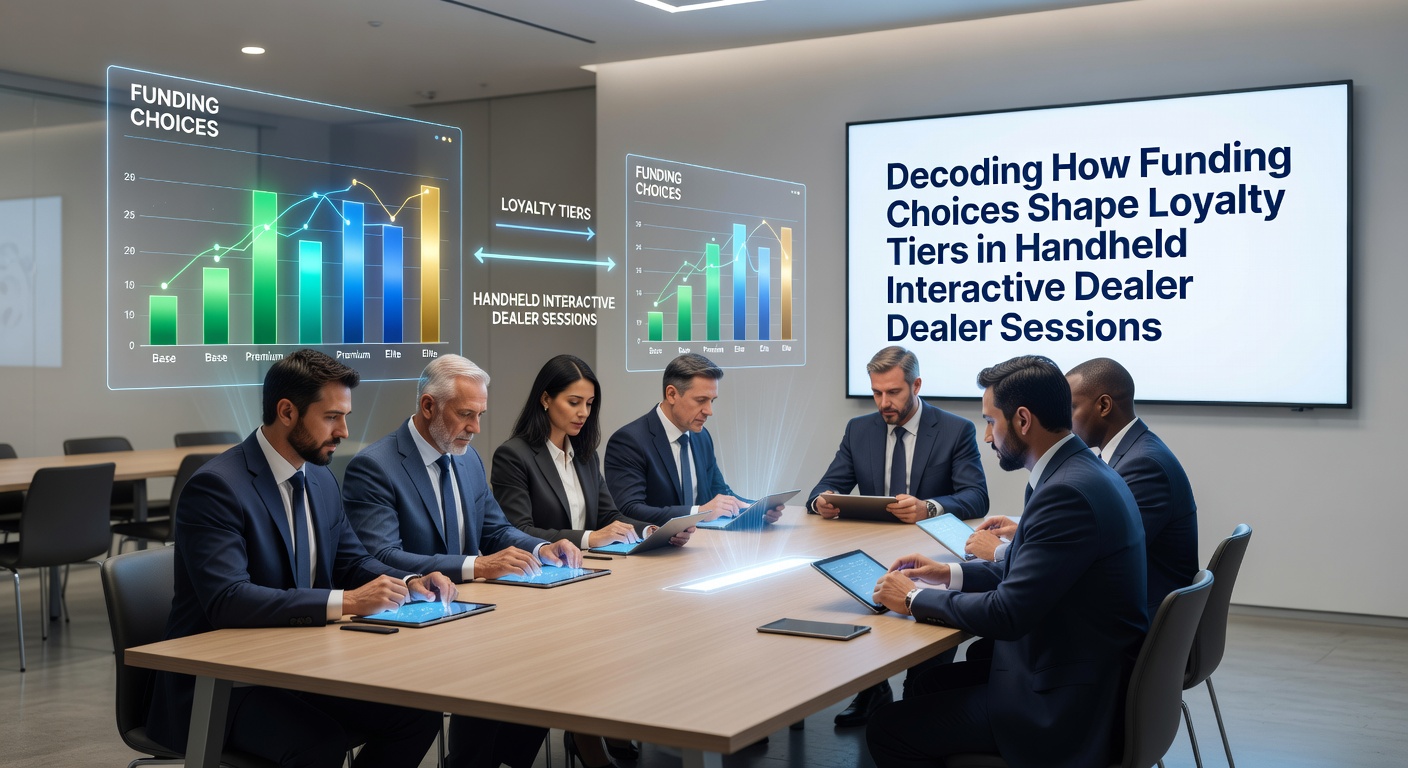
Handheld interactive dealer sessions have grown into a distinct segment of mobile gaming where players engage with real-time dealers through smartphones and tablets while funding choices directly influence how quickly users climb loyalty tiers. Operators structure these programs so that deposit methods determine point multipliers, eligibility thresholds and upgrade speeds, creating measurable differences in how participants accumulate benefits across platforms.
Core Mechanics Linking Payments to Tier Progression
Funding selections range from traditional bank transfers and credit cards to e-wallets and emerging digital assets, each carrying assigned weights within loyalty algorithms. Research from the Nevada Gaming Control Board indicates that platforms applying higher multipliers to certain instant-payment methods see accelerated tier movement, with users reaching mid-level status in roughly 30 percent fewer sessions when using preferred channels. These systems track not only transaction volume but also method stability, rewarding consistency with e-wallets that process without delays over methods prone to verification holds.
Observers note that tier benefits expand at each level, granting access to exclusive dealer tables, customized session limits and enhanced reward redemptions. Data compiled across multiple operators reveals that players funding primarily through verified bank accounts often receive steadier point accrual rates, whereas sporadic use of alternative options can reset progress toward the next tier unless minimum thresholds are met within defined windows.
Regional Regulatory Influences on Funding Weights
Regulatory frameworks in different jurisdictions shape how operators assign value to funding methods. In New Jersey, Division of Gaming Enforcement guidelines require transparent disclosure of point-earning differentials, prompting platforms to publish clear tables showing how credit-card deposits versus digital-wallet transfers affect monthly loyalty calculations. Australian oversight bodies have similarly examined these structures, with reports highlighting that seamless integration of local payment rails correlates with higher retention among users progressing through silver and gold tiers.
What's interesting is the way May 2026 regulatory updates in select European markets are expected to standardize minimum point multipliers for non-bank methods, potentially narrowing gaps between funding types that currently favor instant options. Those following industry filings anticipate these changes will require operators to recalibrate algorithms so that loyalty advancement remains equitable regardless of deposit source.
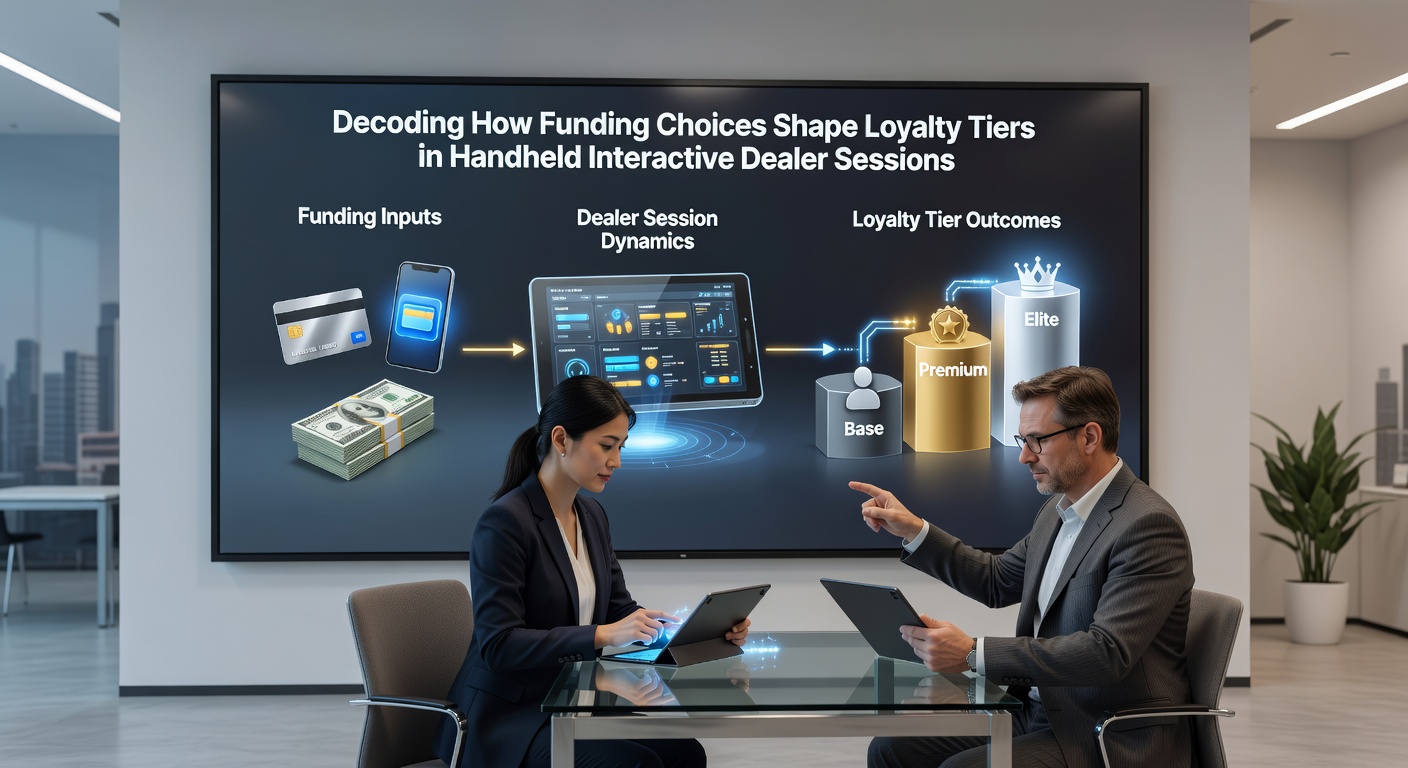
Take one major platform that adjusted its weighting system after internal audits showed slower advancement for users relying on traditional wires. The revised model introduced hybrid scoring that blends transaction speed with total volume, resulting in more balanced tier distributions according to quarterly performance summaries.
Practical Examples from Operator Implementations
Platforms serving North American markets frequently differentiate between domestic card networks and international e-wallets, assigning elevated multipliers to the former during promotional windows. Users who maintain consistent funding patterns through these channels report reaching platinum status after fewer live sessions compared with mixed-method approaches. A study released by the University of Nevada Reno Gaming Research Center examined six months of anonymized data and found that participants favoring one primary funding method advanced an average of one tier level faster than those rotating across multiple options.
Yet the relationship extends beyond speed. Certain loyalty structures include bonus point grants when funding occurs during peak dealer availability hours, amplifying the effect of preferred methods. Industry reports from the Canadian Gaming Association document similar patterns, where operators in regulated provinces tie tier longevity to recurring use of approved payment rails that minimize chargeback risks.
Observers tracking handheld session analytics note that players who combine high-volume deposits with stable funding sources unlock personalized dealer invitations sooner, a feature reserved for upper-tier accounts. This dynamic encourages strategic selection of deposit methods aligned with long-term engagement goals rather than isolated transactions.
Emerging Trends and Algorithm Adjustments
Algorithm refinements continue as operators analyze session data to optimize tier accessibility. Figures from recent industry roundtables show that weighting instant verification methods more heavily can increase overall participation rates in loyalty programs by measurable margins. At the same time, platforms experimenting with tiered multipliers for recurring funding schedules have observed steadier retention curves across demographic segments.
But here's the thing: these adjustments remain subject to player behavior patterns that shift with new device capabilities and payment integrations. Research indicates that handheld sessions conducted on tablets versus phones sometimes display different funding preferences, prompting operators to refine loyalty rules accordingly while maintaining compliance across jurisdictions.
Conclusion
Funding choices serve as foundational inputs within loyalty frameworks for handheld interactive dealer sessions, directly modulating advancement speed, benefit tiers and engagement longevity. Regulatory developments anticipated through 2026 are positioned to further standardize these linkages, ensuring that operators balance commercial objectives with transparent progression mechanics. Data across multiple markets continues to demonstrate that method consistency and transaction attributes remain central determinants of how participants navigate and ultimately benefit from structured loyalty systems.