Device Compatibility's Role in Accessing Layered Rewards Through Mobile Table Game Deposits
Sage Foster · Jul 26, 2026
Device Compatibility's Role in Accessing Layered Rewards Through Mobile Table Game Deposits
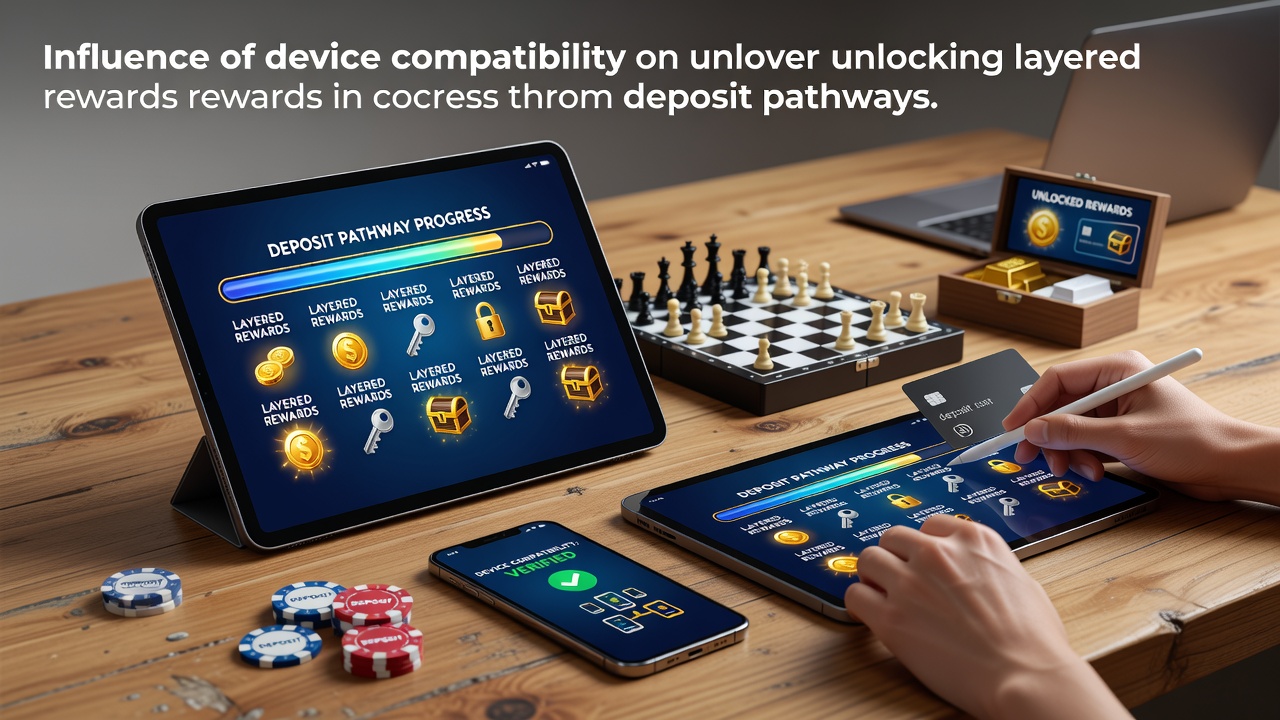
Device compatibility determines how players navigate deposit pathways and unlock layered rewards in portable table game settings, where operating system versions, screen resolutions, and hardware specifications shape eligibility for progressive bonuses and tier advancements. Research from the New Jersey Division of Gaming Enforcement indicates that mobile platforms account for over 65 percent of table game activity in regulated markets during mid-2026, with compatibility issues affecting reward access in specific device categories. Observers note that iOS and Android ecosystems impose distinct technical requirements, leading developers to optimize applications differently and create variations in how deposit methods integrate with loyalty structures.
Technical Factors Affecting Reward Pathways
Screen size and processing power influence the visibility of layered reward menus during live dealer sessions, while older operating systems may restrict access to certain deposit gateways that trigger bonus unlocks. Data from industry reports shows that devices running Android versions below 10 often encounter delays in processing instant deposits, which in turn postpones the activation of multi-tier rewards such as cashback multipliers and exclusive table game credits. Those who study mobile gaming patterns observe that Apple devices maintain higher consistency in rendering high-definition live streams, allowing seamless transitions between deposit confirmations and reward tier notifications without interruptions that could reset progress trackers.
Deposit Methods and Compatibility Variations
Payment processors adapt their interfaces based on device APIs, creating situations where certain e-wallets function only on compatible hardware and thereby limit which players can complete the deposit sequences needed for layered reward qualification. July 2026 figures from regulatory filings reveal that regions with high mobile penetration, including parts of Asia and North America, report a 12 percent increase in reward redemptions tied directly to optimized deposit pathways on newer device models. Experts have observed that cross-platform frameworks help bridge some gaps, yet native applications still deliver superior integration with security protocols that verify deposits and unlock subsequent reward layers in real time.
Regional Patterns in Mobile Table Game Engagement
Players in markets with diverse device ecosystems encounter different reward structures depending on local compatibility standards, and government agencies track these trends through monthly activity reports. One study revealed that handheld interactive dealer sessions on mid-range devices sometimes bypass advanced loyalty features because the graphics rendering falls short of required thresholds, while flagship models support full animation sequences that accompany reward notifications. What's interesting is how these technical thresholds connect directly to deposit success rates, since failed transactions on incompatible devices prevent the accumulation of points required for tier progression in table game environments.
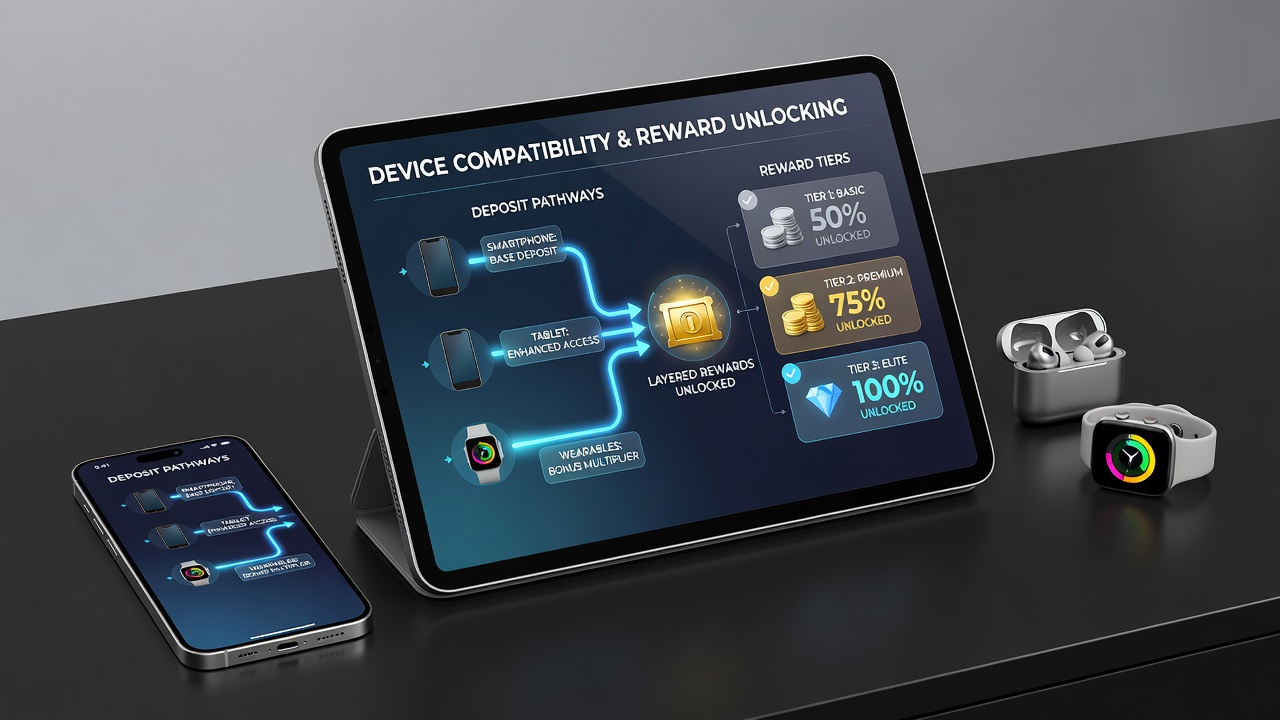
Take one researcher who analyzed transaction logs across multiple jurisdictions and found that deposit pathways using biometric authentication succeed more frequently on devices with updated security chips, accelerating the release of layered rewards such as free bet credits and VIP table access. Observers note that these patterns hold steady even as new hardware releases in 2026 introduce additional variables, including foldable screen formats that require specialized coding to maintain consistent reward display logic during live sessions.
Industry Adaptations and Future Considerations
Game providers respond to compatibility challenges by releasing incremental updates that expand support for emerging device classes, thereby broadening the range of players who can complete deposits and access progressive reward tiers. According to findings from the University of Nevada, Las Vegas Center for Gaming Research, compatibility-driven reward access correlates with higher retention rates in portable environments, particularly when deposit options align with device-native payment systems. Those who've tracked these developments point out that regulatory bodies in Canada and Australia require operators to document how device limitations affect bonus eligibility, creating transparent records that inform industry-wide improvements.
Yet the reality remains that not every device receives equal optimization, and players on legacy hardware often face extended processing times that delay the layered reward sequences tied to table game deposits. Data indicates that solutions such as cloud-based rendering reduce some hardware dependencies, allowing older models to participate more fully in reward programs without compromising security or fairness standards.
Conclusion
Device compatibility continues to shape the mechanics of unlocking layered rewards through deposit pathways in portable table game settings, with technical specifications directly influencing transaction success and tier advancement. Regulatory updates scheduled for later in 2026 are expected to emphasize standardized compatibility testing, while operators refine their applications to minimize disparities across device categories. Evidence from multiple sources confirms that these factors determine how effectively players progress through reward structures in mobile environments focused on live dealer experiences.