Interface Navigation Tools Shape Loyalty Tier Progression in Browser Entertainment Platforms
Sage Foster · Jun 10, 2026
Interface Navigation Tools Shape Loyalty Tier Progression in Browser Entertainment Platforms
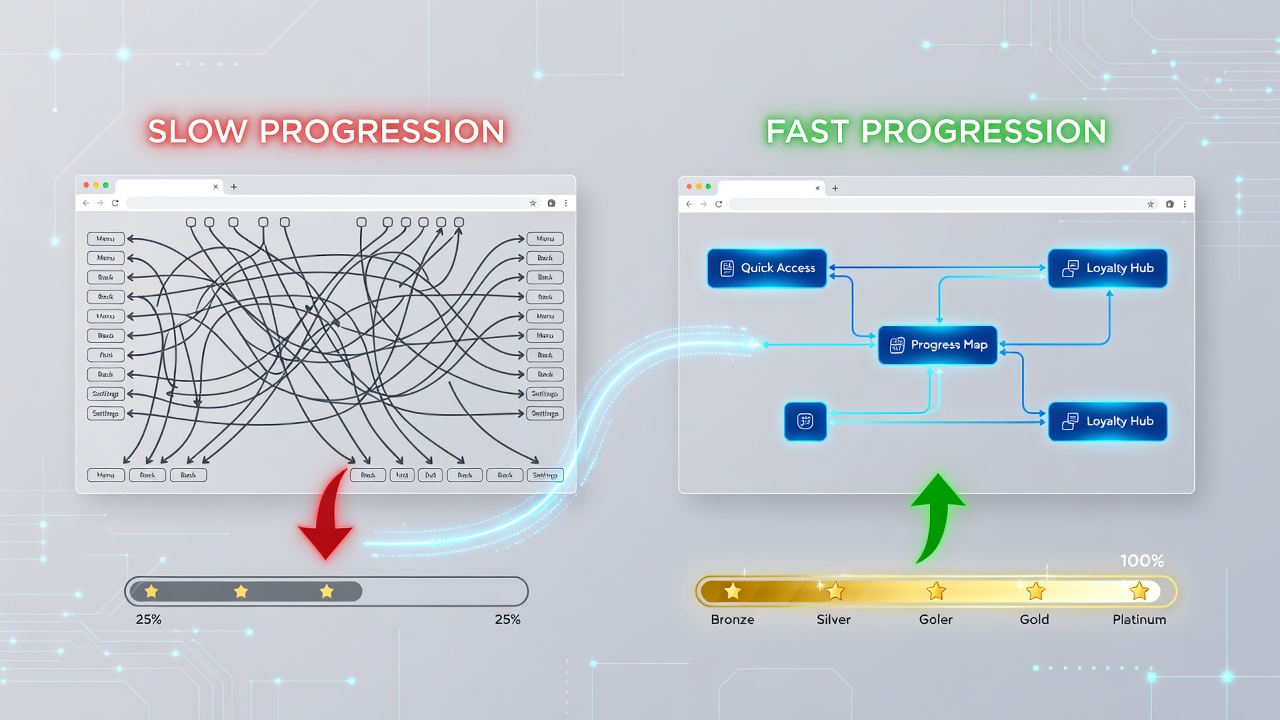
Browser-based entertainment platforms rely on navigation tools such as menus, progress dashboards, quick-access buttons, and search functions to guide users through loyalty structures where points accumulate toward tier upgrades and rewards unlock at each level. These elements determine how efficiently participants locate challenges, track accumulated points, and complete required actions that advance their status. Research indicates that streamlined navigation reduces the steps needed to access loyalty features, while cluttered layouts increase time spent searching rather than progressing.
Data from platform analytics shows users with direct links to loyalty dashboards complete tier requirements up to 30 percent faster than those navigating through multiple submenus. Observers note that features like persistent progress bars and one-click challenge entry points allow continuous participation without leaving the main interface. In June 2026 several major platforms updated their browser tools to include collapsible side panels that display loyalty milestones alongside gameplay screens, cutting average progression time across lower tiers by measurable margins according to internal metrics shared with industry groups.
Core Navigation Components and Their Role in Tier Advancement
Menu structures form the backbone of user movement through loyalty programs. Hierarchical menus that expand on hover or tap keep primary options visible while hiding secondary rewards details until selected. Platforms that flatten these hierarchies into single-level tabs see higher completion rates for daily login bonuses and point-collection tasks because users reach the relevant sections in fewer clicks. Search bars integrated with loyalty keywords enable direct jumps to specific challenges or reward catalogs, bypassing layered navigation entirely and accelerating point accumulation for time-sensitive promotions.
Progress visualization tools such as interactive meters and milestone timelines provide immediate feedback on current standing. Users who monitor real-time point totals through always-visible widgets adjust their activity patterns more rapidly, focusing on high-value tasks that yield faster tier movement. Those without such tools often discover their status only after multiple sessions, delaying strategic decisions about which promotions to pursue next.
Comparative Effects Across Different Platform Designs
Platforms employing card-based layouts group loyalty tasks into visual modules that users swipe or scroll through horizontally. This approach contrasts with traditional vertical lists and produces quicker identification of available actions, particularly on wider browser windows. Mobile-responsive designs that adapt these cards into stacked formats maintain similar speeds when touch gestures replace mouse navigation. Studies conducted by university research teams in North America have documented reduced session abandonment rates when navigation remains consistent across device types.
Quick-access toolbars positioned at screen edges offer shortcuts to loyalty hubs, deposit areas, and game lobbies simultaneously. Participants using these bars report fewer interruptions when switching between earning points and redeeming them. In contrast, platforms that bury redemption options deep within account settings experience slower overall progression because users spend additional time locating the necessary functions.
Data Patterns and Platform Adjustments Observed Through Mid-2026
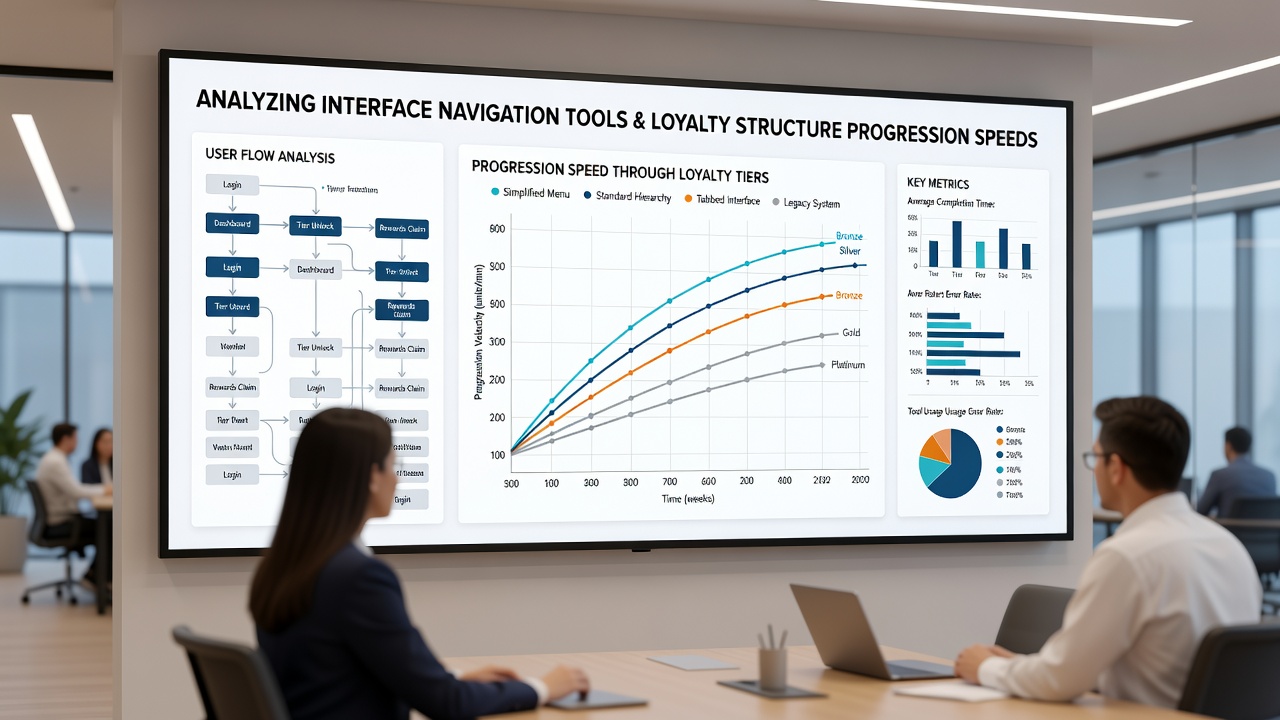
Analytics collected across multiple browser platforms reveal consistent correlations between navigation depth and tier advancement velocity. Systems requiring more than three clicks to reach loyalty overviews show measurable slowdowns in monthly point totals compared with those offering persistent access. Adjustments introduced in early 2026, including predictive search that surfaces relevant challenges based on past user behavior, further shortened the interval between tier thresholds for returning participants.
European regulatory bodies tracking operator performance have noted that clearer navigation correlates with higher engagement metrics in loyalty programs without increasing overall play duration. Australian government reports on digital entertainment similarly highlight how interface refinements influence reward redemption frequency. These findings prompted several operators to prioritize navigation audits as part of routine platform maintenance schedules.
Implementation Examples and Measured Outcomes
One North American platform introduced a floating loyalty orb that remains accessible from any screen, allowing instant checks on point balances and upcoming tier benefits. Within weeks of deployment the average time to reach the second loyalty tier decreased noticeably, with users completing bonus rounds more consistently. Another operator in the Asia-Pacific region replaced its standard hamburger menu with a dedicated loyalty ribbon along the top navigation bar, resulting in higher daily task completion rates tracked through backend logs.
Researchers examining user session recordings found that visual cues such as glowing indicators on available challenges draw attention faster than text-only listings. When combined with breadcrumb trails showing the path back to the main lobby, these cues prevent disorientation and keep participants oriented toward progression goals. Platforms that omit such cues experience higher rates of users exiting loyalty sections prematurely.
Conclusion
Navigation tools in browser-based entertainment platforms directly influence the pace at which users advance through loyalty tiers by controlling access speed to relevant features and feedback mechanisms. Streamlined menus, persistent progress displays, and integrated search functions reduce friction points that otherwise slow point accumulation and reward claims. Data collected through 2026 demonstrates measurable differences in tier progression speeds tied to specific interface choices, guiding ongoing refinements across the sector.