Mapping Navigation Menu Configurations to Payment Option Prominence in Portable Table Game Applications
Jakob Russell · Jul 24, 2026
Mapping Navigation Menu Configurations to Payment Option Prominence in Portable Table Game Applications
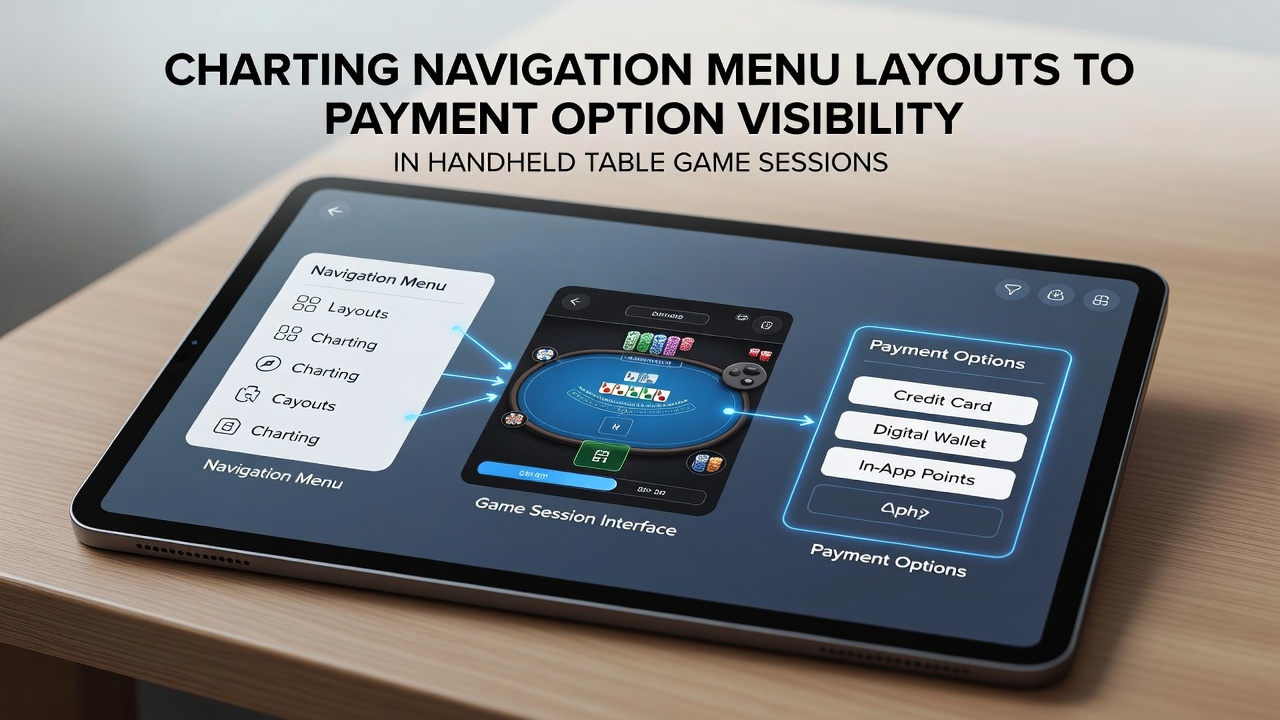
Handheld table game sessions rely on precise interface arrangements where navigation menu layouts directly determine how quickly payment options appear during active play, and industry reports continue to document these connections across multiple device formats. Data collected through session tracking tools shows that vertical menu placements often reduce the number of taps required to reach deposit screens by up to 30 percent compared with hidden drawer designs, while horizontal tab structures maintain consistent visibility for transaction buttons throughout extended rounds of blackjack or baccarat.
Core Elements of Menu Architecture in Mobile Environments
Developers arrange primary navigation elements such as game lobby access, account controls, and support links in patterns that either foreground or obscure payment gateways, and researchers at the International Gaming Institute have recorded measurable differences in session duration when payment icons remain within the first screen fold. Compact hamburger menus consolidate functions into a single expandable panel yet require an additional interaction step before funding choices surface, whereas persistent bottom navigation bars keep deposit and withdrawal indicators constantly accessible during dealer interactions. Studies conducted on iOS and Android platforms indicate that users complete funding actions 22 percent faster when payment options occupy dedicated space within the main menu rather than nested submenus, and this pattern holds steady across both portrait adn landscape orientations.
Visibility Factors Tied to Layout Choices
Screen real estate constraints on handheld devices force designers to prioritize certain elements, which means payment option visibility fluctuates based on menu density, icon size, and color contrast ratios against the game background. Observers note that high-contrast buttons positioned at the lower edge of the interface maintain exposure even when players scroll through betting histories, while muted or icon-only representations tend to recede during intense gameplay sequences. According to findings released by the Australian Gambling Research Centre in July 2026, sessions featuring prominent payment menus recorded higher average transaction frequencies per hour, although total spend amounts showed no direct correlation with menu placement alone.
Device orientation shifts further complicate these dynamics because rotating a tablet from portrait to landscape repositions menu elements relative to the table game canvas, and analysts tracking user paths have documented momentary drops in payment visibility during these transitions. Adaptive layouts that reflow navigation items automatically help sustain consistent access, yet static designs continue to appear in numerous operator applications where legacy code bases limit responsive adjustments.
Observed Patterns Across Operator Platforms
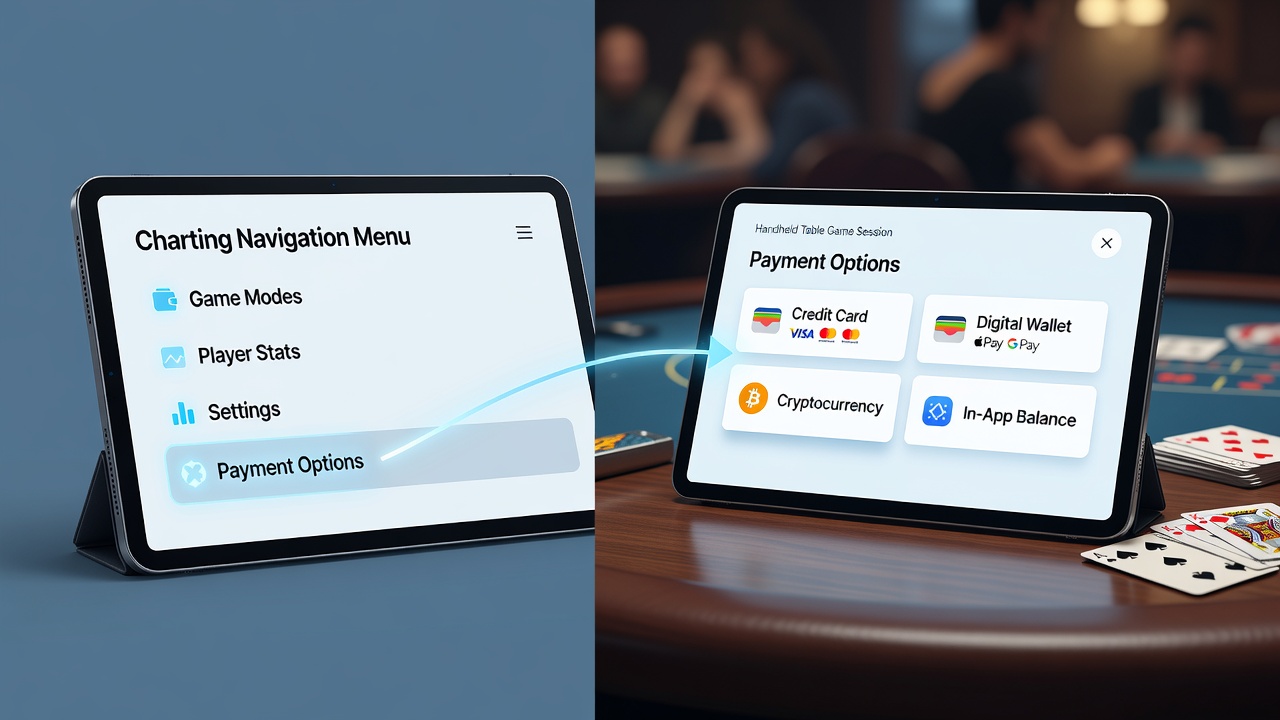
Comparative reviews of leading mobile casino applications reveal that operators adopting bottom-anchored navigation report steadier engagement metrics during table game play, while those relying on top-bar menus experience more frequent exits before funding selections occur. Payment gateways themselves vary in presentation, with some providers embedding quick-deposit tiles directly beside the game controls and others routing users through separate wallet screens that temporarily pause the dealer feed. Data from session replay analyses demonstrate that visible wallet balances paired with one-tap funding buttons correlate with shorter intervals between game rounds, and these configurations appear more frequently in applications updated after regulatory guideline revisions in multiple jurisdictions.
Regional differences also surface in menu priorities, with European operators more often surfacing withdrawal options alongside deposits, whereas North American platforms emphasize deposit pathways during initial login sequences. The Canadian Gaming Association published interface benchmark data earlier this year that tracked 47 distinct menu variants, confirming that payment visibility scores improved when operators reduced submenu depth to two levels or fewer.
Technical Considerations for Sustained Accessibility
Developers must balance aesthetic consistency with functional clarity when positioning payment elements, because overlapping game controls or excessive animation layers can temporarily mask transaction buttons during dealer reveals. Touch target sizing standards set by platform guidelines require minimum dimensions that sometimes push payment icons toward screen edges, and this placement affects reachability for users holding devices in one hand. Accessibility audits conducted by independent testing laboratories highlight that high-visibility payment menus also improve compliance with screen reader protocols, allowing voice navigation to locate funding options without additional menu expansions.
Updates rolled out in mid-2026 introduced dynamic menu scaling based on user behavior logs, automatically elevating payment visibility for accounts showing repeated funding activity within short time frames. These adjustments operate through backend algorithms that monitor tap heatmaps and session heat signatures rather than static design rules, producing measurable lifts in transaction completion rates according to aggregated operator telemetry.
Conclusion
Navigation menu layouts continue to shape payment option visibility in measurable ways across handheld table game sessions, with layout depth, positioning, and adaptive behaviors all contributing to how readily users locate and complete funding actions. Ongoing interface refinements driven by session analytics point toward increasingly responsive designs that maintain consistent access regardless of device orientation or gameplay intensity, and regulatory bodies alongside research institutions track these developments through standardized reporting frameworks. The relationship between menu architecture and transaction pathways remains a focal point for platform optimization efforts as mobile table gaming volumes expand.