Regulatory Divergence Across Markets Driving Specialized Table Game Variants for Mobile Platforms
Jakob Russell · Jul 31, 2026
Regulatory Divergence Across Markets Driving Specialized Table Game Variants for Mobile Platforms
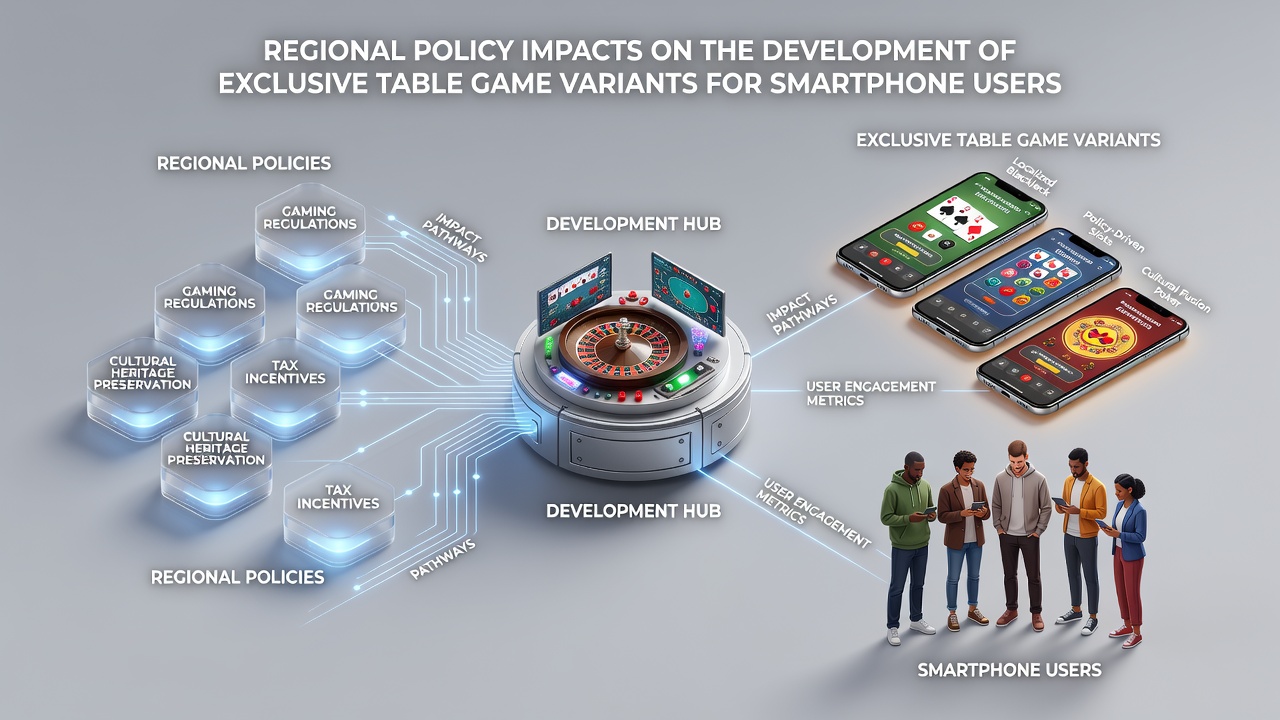
Regional policy frameworks have shaped the creation of exclusive table game variants designed specifically for smartphone users, with variations in licensing requirements, player protection standards, and technical compliance rules dictating development priorities in each market. Data from industry reports indicate that operators adjust game mechanics, payout structures, and interface elements to align with local regulations, resulting in distinct versions of classics like blackjack, roulette, and baccarat that appear only in certain geographic areas.
North American Regulatory Influences on Mobile Table Game Features
State-level gaming authorities in the United States impose specific rules on mobile table games that affect everything from random number generator certification to bonus round structures, and developers respond by creating variants that meet these localized standards while maintaining core gameplay integrity. The Nevada Gaming Control Board maintains oversight over interactive gaming products, requiring detailed reporting on game fairness that has prompted studios to introduce smartphone-exclusive side bets and progressive elements unavailable in other regions. Canadian provincial regulators, including those in Ontario, have established separate testing protocols that encourage the addition of location-based authentication layers in table game apps, leading to exclusive tournament modes tied to provincial boundaries.
European and Asian Policy Variations Shaping Variant Development
European Union member states apply differing interpretations of the Digital Services Act and national gambling laws, which in turn influence how mobile table games incorporate responsible gaming tools such as session limits and reality checks directly into the interface. Observers note that Malta's gaming authority has approved variants featuring multi-player tables with cross-border functionality, whereas stricter jurisdictions limit such features to single-player modes only. In Asia, Singapore's Casino Regulatory Authority and Japan's emerging regulatory framework have driven the development of table game versions that emphasize cultural localization, including themed card designs and payout schedules adjusted for local currency and tax structures. Research from academic institutions tracking these trends shows that July 2026 policy updates in several Southeast Asian markets further refined age verification processes, prompting developers to integrate biometric options into exclusive smartphone variants.
Technical Compliance and Market-Specific Innovations
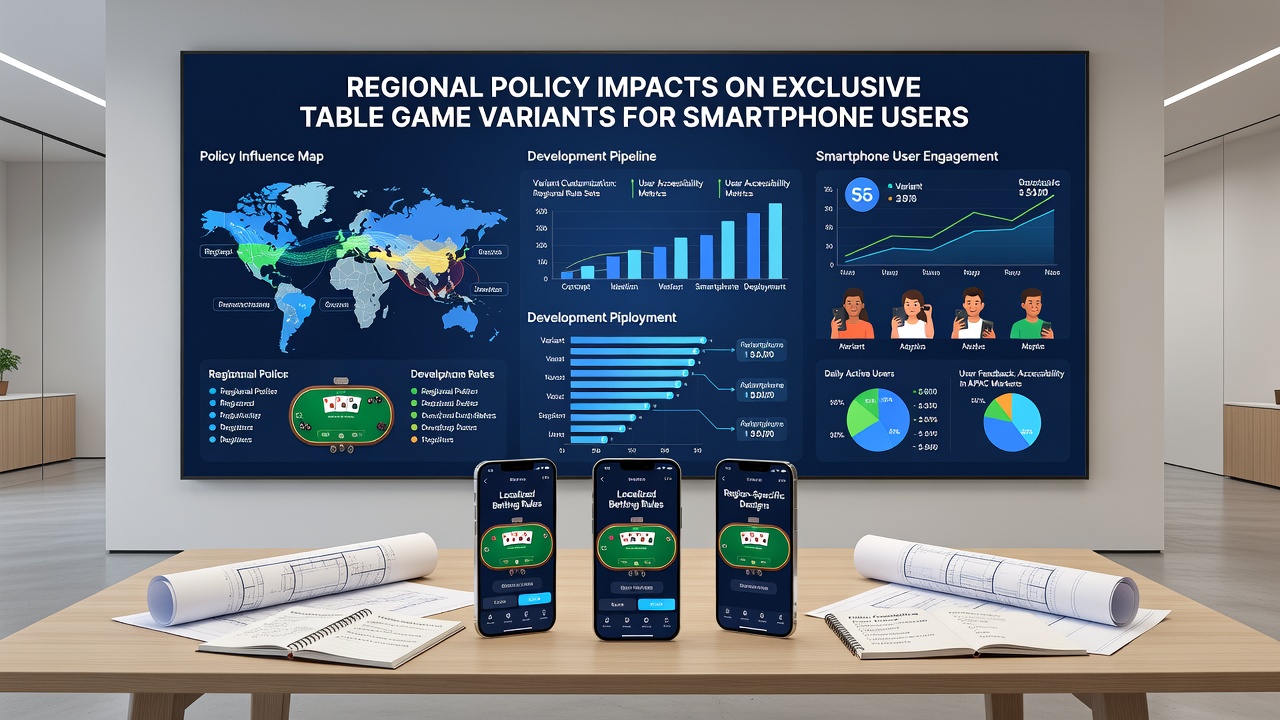
Compliance with regional data protection laws such as the General Data Protection Regulation in Europe has required developers to modify how player data flows through mobile table game platforms, resulting in variants that store fewer session details on device memory compared to versions released in less restrictive markets. Industry associations including the European Gaming and Betting Association have documented cases where these adjustments led to new gameplay mechanics, such as simplified betting interfaces that reduce data transmission while preserving strategic depth. Meanwhile, Australian state regulators have emphasized harm minimization features that appear in exclusive mobile roulette variants, including mandatory cooling-off periods between rounds that do not exist in the same form elsewhere.
Payment processing rules also vary widely, and developers have created table game versions that integrate only approved local methods, which affects in-game economy design and reward structures. Those tracking these patterns report that such constraints have produced innovative hybrid games combining elements from multiple traditional table formats to satisfy both regulatory and commercial demands in specific territories.
Future Trajectories for Policy-Driven Mobile Variants
Current trajectories suggest continued fragmentation as new jurisdictions enter the regulated mobile gaming space, each introducing unique requirements that developers must address through customized builds. Government agencies across different continents continue to refine their approaches to interactive gaming, and the resulting policy landscape directly determines which exclusive table game features reach smartphone users in any given region. Studies from research institutions confirm that these regulatory differences have already produced dozens of distinct variants, each tailored to meet the precise legal environment where it operates.
Conclusion
Regional policies continue to dictate the pace and direction of exclusive table game development for smartphone platforms through licensing conditions, technical standards, and player protection mandates that differ substantially across borders. The evidence shows that developers maintain separate codebases and feature sets to satisfy these varied requirements, creating a diverse ecosystem of mobile table game experiences that reflect the regulatory priorities of each market.