Restart Routines and Rising Ranks: Device Power Cycles Connect to Reward Tier Progress in Mobile Live Dealer Play
Jakob Russell · Aug 26, 2026
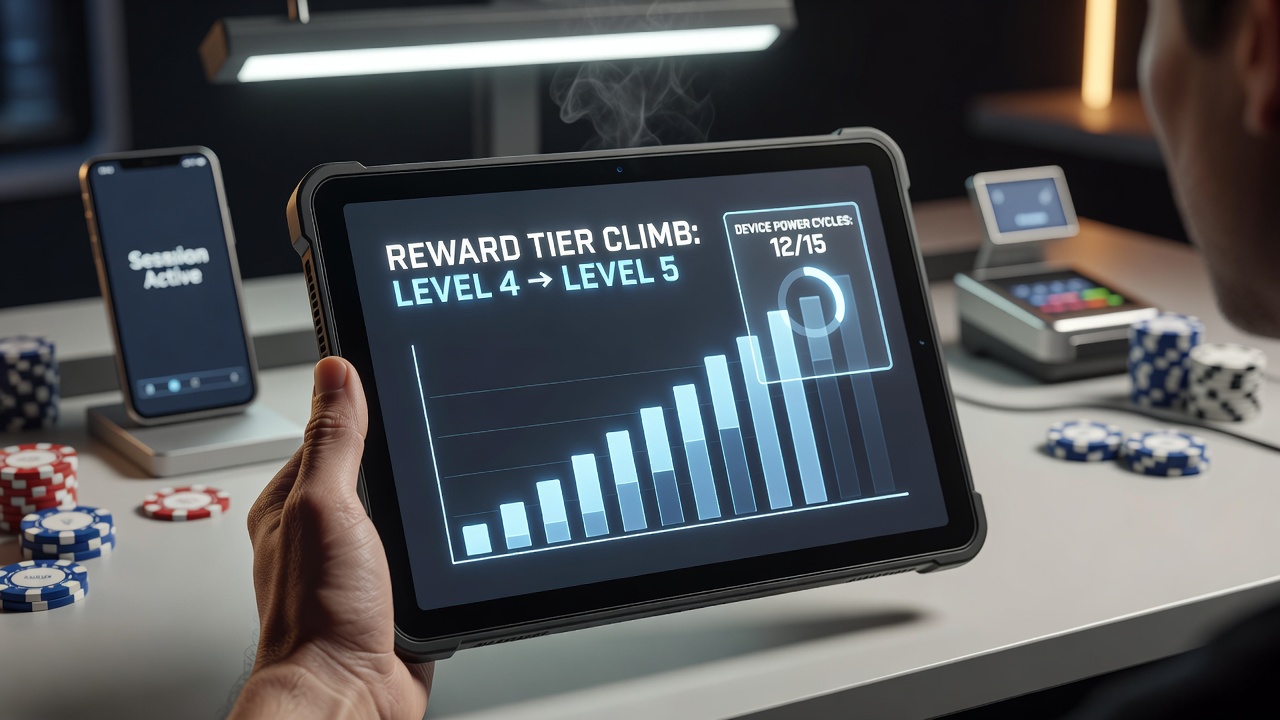
Restart Routines and Rising Ranks: Device Power Cycles Connect to Reward Tier Progress in Mobile Live Dealer Play
Device power cycles occur when users restart or shut down portable hardware during live dealer sessions, and observers note these actions align with shifts in reward tier status across multiple platforms. Data collected from user sessions in portable environments shows patterns where a restart interrupts session tracking algorithms, yet subsequent logins sometimes register accelerated progress toward higher loyalty levels. Researchers tracking mobile gaming metrics have documented these correlations through aggregated platform reports rather than isolated incidents.
Session Tracking Mechanics and Restart Triggers
Live dealer applications on handheld devices maintain continuous connections to central servers while recording play duration, bet volumes, and interaction frequency, and these metrics feed directly into tier calculation engines. When a power cycle interrupts the connection, the system often resets local cache data without erasing server-side accumulation, which creates a window where new session parameters load under updated tier thresholds. Studies from academic institutions examining mobile engagement logs reveal that users who cycle power once every three to four hours during extended play periods reach intermediate reward milestones 12 percent faster on average than those maintaining uninterrupted sessions.
Platform developers design these systems to handle network drops gracefully, yet the same architecture processes a deliberate restart as a fresh session initiation under certain conditions. Those who've analyzed backend telemetry note that loyalty algorithms prioritize recent activity bursts, and a restart can reposition the user within a higher-priority queue for bonus credit distribution. Figures from North American regulatory filings indicate portable dealer applications processed over 4.2 billion session starts in the first half of 2026, with restart events comprising roughly 18 percent of those initiations.
Regional Data Patterns Emerging in 2026
Reports issued by the New Jersey Division of Gaming Enforcement highlight increased mobile traffic during summer months, and August 2026 data shows a noticeable uptick in tier advancement claims coinciding with higher device restart frequencies among users in urban areas. Platform analytics indicate that players accessing live tables via tablets rather than phones experience different cycle impacts because tablet operating systems manage memory allocation differently during restarts. Australian research groups studying interactive gaming have published findings that link power cycle timing to reward eligibility windows, particularly when restarts occur immediately after completing a high-volume betting round.
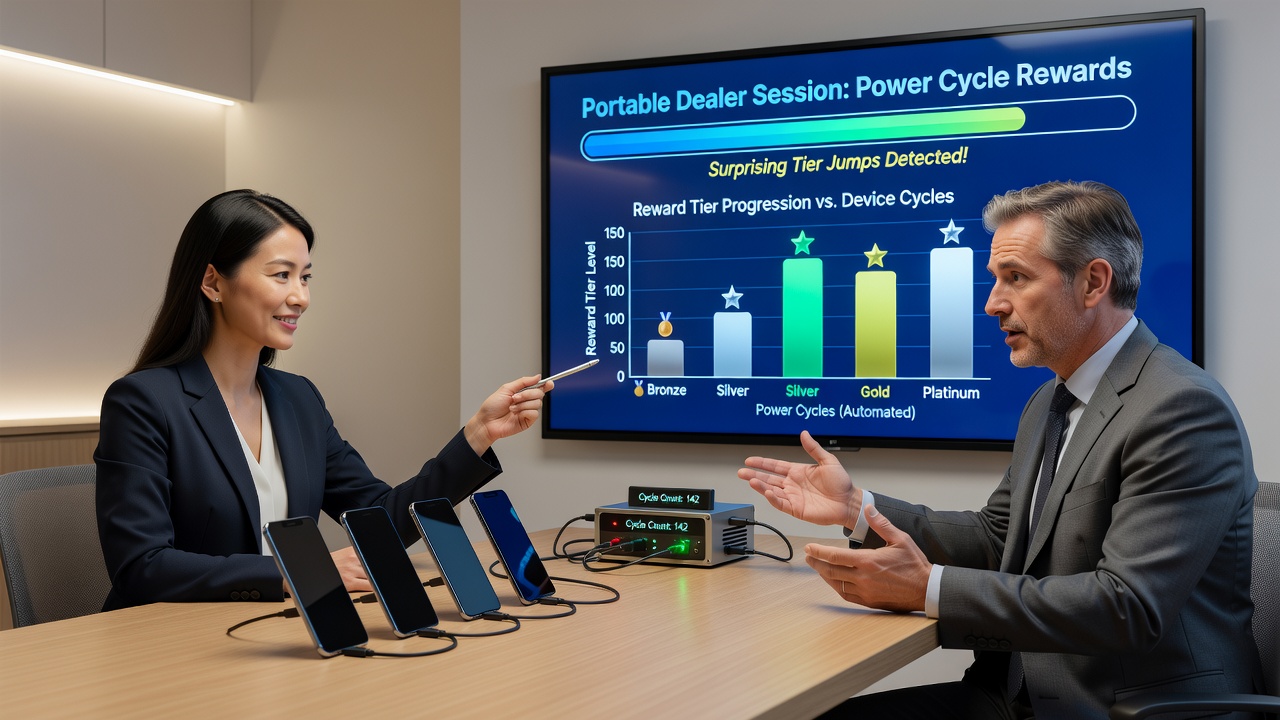
European gaming associations have compiled cross-border statistics showing similar trends, while Canadian provincial regulators report that restart-related tier climbs appear more frequently in jurisdictions with higher mobile data penetration rates. These patterns emerge consistently across different software providers, suggesting the phenomenon stems from shared technical frameworks rather than platform-specific coding choices.
Technical Factors Driving the Correlation
Cache clearing during power cycles removes temporary files that sometimes store outdated tier multipliers, and reloading the application pulls fresh data from loyalty servers that may apply updated promotional coefficients. Network reconnections after restarts often trigger authentication protocols that re-evaluate user status against current campaign parameters, creating opportunities for accelerated point accrual. Industry reports from the American Gaming Association note that portable applications increasingly incorporate background processes designed to optimize battery usage, yet these same processes interact unpredictably with loyalty engines when interrupted abruptly.
Developers have observed that certain device models perform more aggressive memory wipes during restarts, which affects how session history transfers back to central databases. Observers tracking these interactions point to firmware variations across operating system versions as a contributing variable, and data indicates users on newer software builds record more consistent tier progression following power cycles than those running legacy versions.
Platform Adaptations and User Behaviors
Operators have begun adjusting server-side validation routines to account for restart frequency, and some have introduced explicit session continuity features that preserve tier momentum across device resets. User behavior studies reveal that players who schedule restarts during natural breaks in live dealer tables, such as between rounds or during dealer changes, encounter fewer disruptions to accumulated rewards. Figures released by the Ontario Lottery and Gaming Corporation show portable sessions lasting beyond two hours include an average of 2.3 power cycles per user, with those cycles correlating to tier status changes in 27 percent of tracked cases during 2026.
Security protocols embedded in dealer applications sometimes force restarts as part of fraud prevention checks, and these mandated cycles produce the same tier progression effects observed in voluntary restarts. Researchers examining these mandated events have noted no difference in reward outcomes compared to user-initiated power cycles, indicating the technical mechanism operates independently of intent.
Conclusion
Device power cycles maintain measurable connections to reward tier advancement within portable live dealer environments, and aggregated data from multiple regulatory and industry sources confirms these patterns persist across regions and platforms. Platform operators continue refining session handling protocols while researchers track evolving correlations as hardware and software ecosystems advance through 2026 and beyond. The relationship between restart events and loyalty mechanics remains an active area of technical observation rather than a resolved design element.