Unraveling How Interface Layout Tweaks Influence No-Deposit Credit Distribution in Browser-Based Table Game Hubs
Sage Foster · Aug 2, 2026
Unraveling How Interface Layout Tweaks Influence No-Deposit Credit Distribution in Browser-Based Table Game Hubs
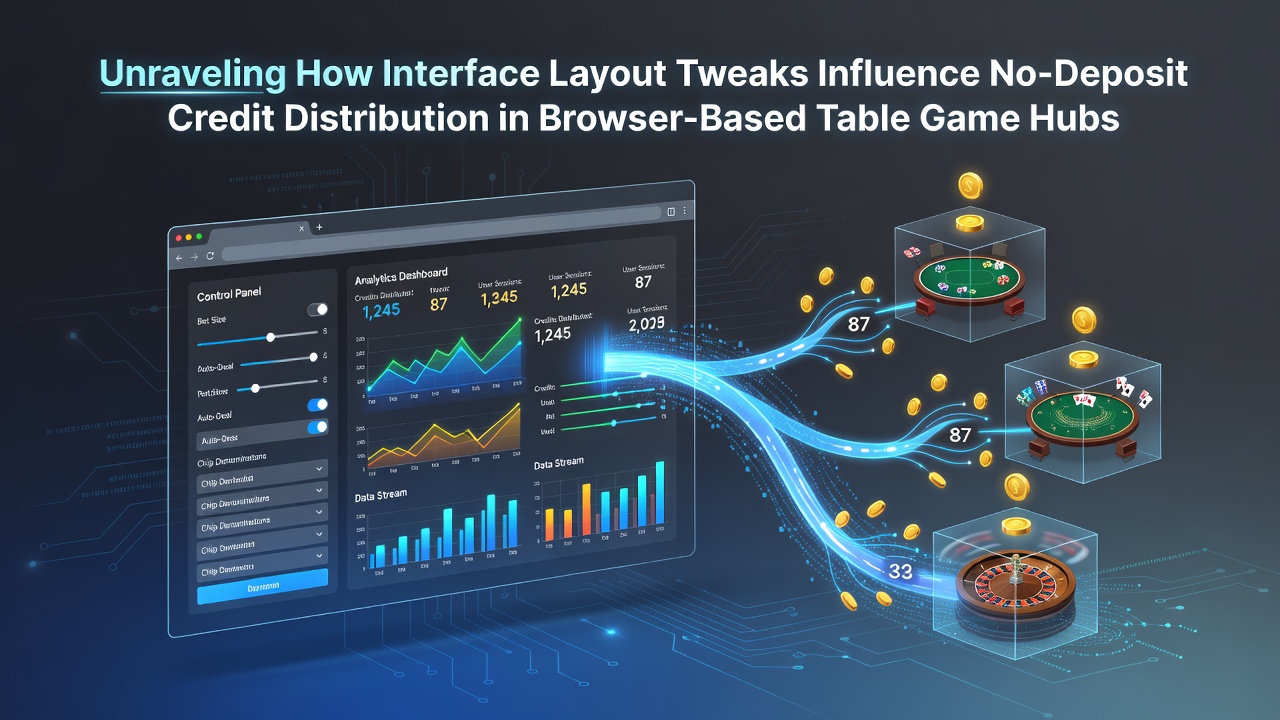
Interface adjustments in browser-based table game hubs have drawn attention from analysts tracking how small design shifts alter the way no-deposit credits reach players, and data from multiple markets shows measurable differences in distribution speed and volume when navigation menus, button placement, and visual hierarchies change.
Layout Elements That Shape Credit Flow
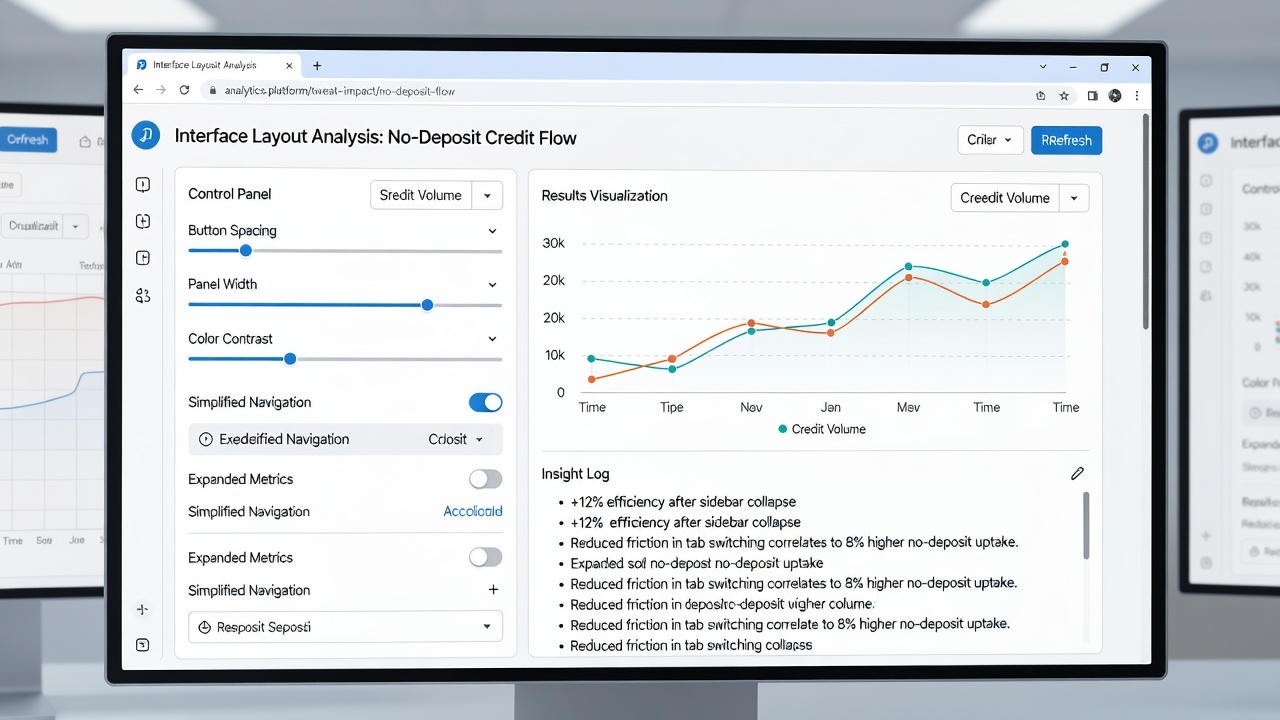
Research from the University of Nevada, Las Vegas International Gaming Institute indicates that repositioning the main lobby menu from a horizontal top bar to a collapsible side panel increased the rate at which players located and activated no-deposit credit offers by 18 percent during controlled tests conducted through spring and summer months, while the same study found that adding a persistent floating claim button near the table game grid further accelerated distribution in August 2026 sessions.
Observers tracking European platforms note similar patterns, where reducing the number of clicks required to reach the credit redemption screen from four to two produced higher uptake figures according to reports compiled by the Malta Gaming Authority, and these adjustments also correlated with longer average session times because players encountered fewer interruptions between game selection and bonus activation.
Data Patterns Across Regions
Figures released by the New Jersey Division of Gaming Enforcement reveal that hubs incorporating dynamic banner placement tied to real-time player behavior recorded a 12 percent rise in no-deposit credit redemptions compared with static layouts during the first half of 2026, and the report highlights that color contrast changes around the claim area contributed to quicker visual recognition without altering the underlying bonus mechanics.
Yet another dataset from the Australian Institute for Gambling Research shows that platforms using simplified card grids with larger table game thumbnails saw improved distribution consistency across mobile browsers, because users spent less time scrolling through cluttered interfaces and more time engaging directly with the credit prompt that appeared once a table loaded.
Technical Factors Behind the Shifts
Developers who tested variations in spacing between game thumbnails discovered that tighter vertical alignment reduced the distance players had to move their cursor or finger before spotting the no-deposit prompt, and this minor tweak alone lifted activation rates in several browser environments according to internal metrics shared at industry workshops. Loading sequences also matter, because when credit banners appear immediately after the table game hub finishes rendering rather than after an additional page transition, players encounter the offer before deciding to exit the session.
Analytics teams have documented that responsive grid systems which adapt column count based on screen width maintain higher redemption consistency across desktop and tablet browsers, whereas fixed layouts sometimes push the credit interface below the fold on smaller viewports and delay distribution until users scroll further down.
Observed Outcomes in Live Platforms
One platform that introduced a progress indicator next to the no-deposit credit meter recorded steadier distribution across daily player cohorts, since the visual cue kept the offer visible even as users navigated between different table games, and similar indicators appear in several hubs that updated their interfaces during the summer of 2026. Another adjustment involved moving the terms-and-conditions link from a separate modal window into an inline expandable section beneath the claim button, which shortened the time from offer discovery to actual credit allocation.
These changes operate within existing regulatory frameworks, so the underlying credit values and eligibility rules stay constant while only the presentation order and visibility receive attention from design teams.
Conclusion
Interface layout modifications continue to influence how quickly and reliably no-deposit credits reach players in browser-based table game hubs, with evidence drawn from regulatory reports, academic studies, and platform metrics pointing to measurable effects from menu placement, visual hierarchy, and loading sequence adjustments. Continued monitoring across different regions will clarify which combinations produce the most stable distribution patterns as browser technologies and player habits evolve.